02 9822 1872
 info@tileregrouting.com.au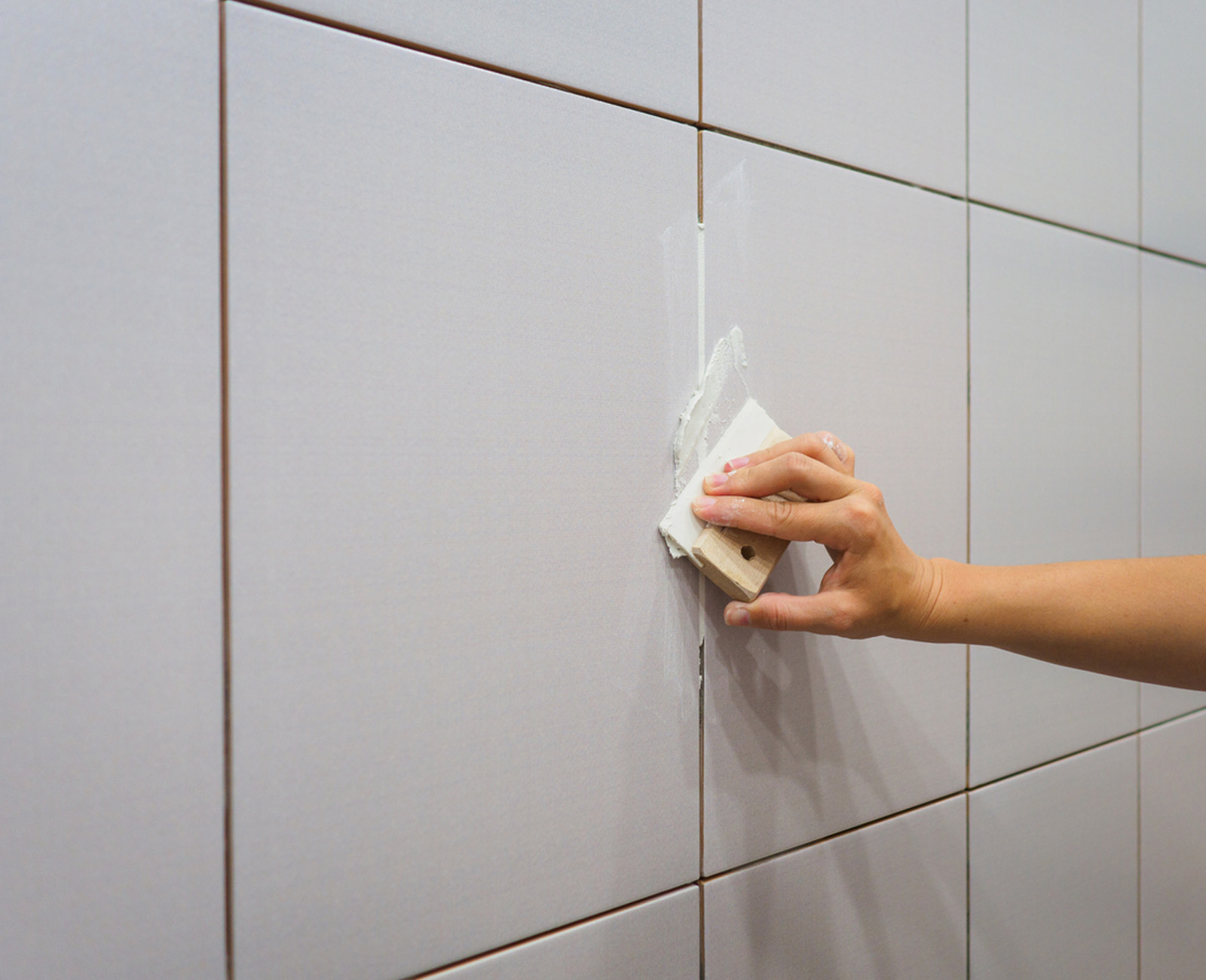
Home maintenance has a way of showing up in different corners of the house. Sometimes it is the yard asking for attention after a few wet weeks. Other times, it is the kitchen walls that need a new coat of paint. Then there is the bathroom, where small details can start to say a lot about the condition of the space.
For homeowners who pay attention to finishes, bathroom maintenance is often hard to ignore. Mouldy grout, cracked corners, stained silicone, loose tiles and chipped edges can make the whole room feel older than it really is. They often lead to a common question many homeowners eventually ask – Do I need a simple tile regrout, or is it time to invest in a larger tile replacement project?
In this post, we will walk through the difference between regrouting, tile replacement, silicone repairs and larger bathroom repairs. We will also explain the warning signs to look for, so you can act before a small wet area issue becomes more expensive to fix.
What is Bathroom Regrouting and When Do You Need It
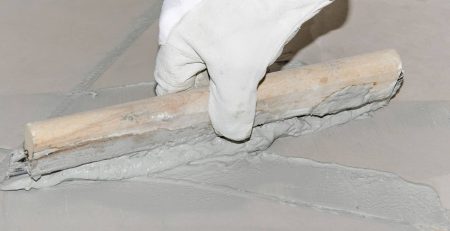
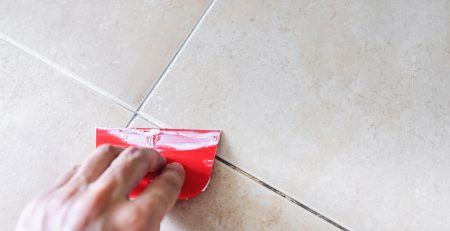
Regrouting is the process of removing old, stained, cracked or missing grout from between your existing tiles and replacing it with fresh grout. The tiles stay in place, which makes it a smart option when your tiles are still sound, but the grout lines are letting the bathroom down.
In simple terms, grout is the filler between tiles. It gives the tiled area a finished look and helps support the surface against daily moisture, cleaning and general use. Over time, though, grout can become discoloured, brittle, loose or mould affected. For older bathrooms, this can be especially useful. You may not be ready to strip the room back, move plumbing or choose new tiles. You may simply want the bathroom to look healthier, feel fresher and stay easier to clean.
Signs That Indicate You Need a Regrout
- Mouldy grout is one of the first signs many homeowners notice. A little surface mould can sometimes be cleaned, but dark mould that keeps returning may mean the grout has become too porous or worn to keep performing well.
- Cracked grout is another sign. Fine cracks along shower walls, floor edges or corners may seem minor at first, but water can travel into small gaps over time. In a wet area, that is worth taking seriously.
- Missing or crumbling grout is also a concern. If the grout is falling out in pieces, turning powdery, or leaving open gaps between tiles, the area needs attention. Fresh grout can help restore the tile lines and reduce the chance of water sitting where it should not.
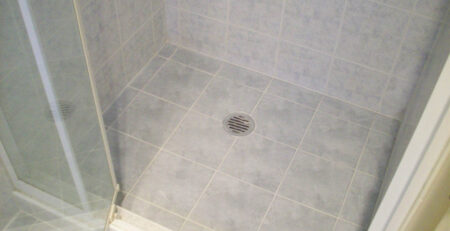
- If you are searching for shower regrouting because your shower recess looks tired, or wondering whether to regrout shower tiles instead of replacing them, the main thing to check is the condition of the tiles themselves. If the tiles are solid and undamaged, regrouting may be enough.
What is Tile Replacement and When Do You Need It
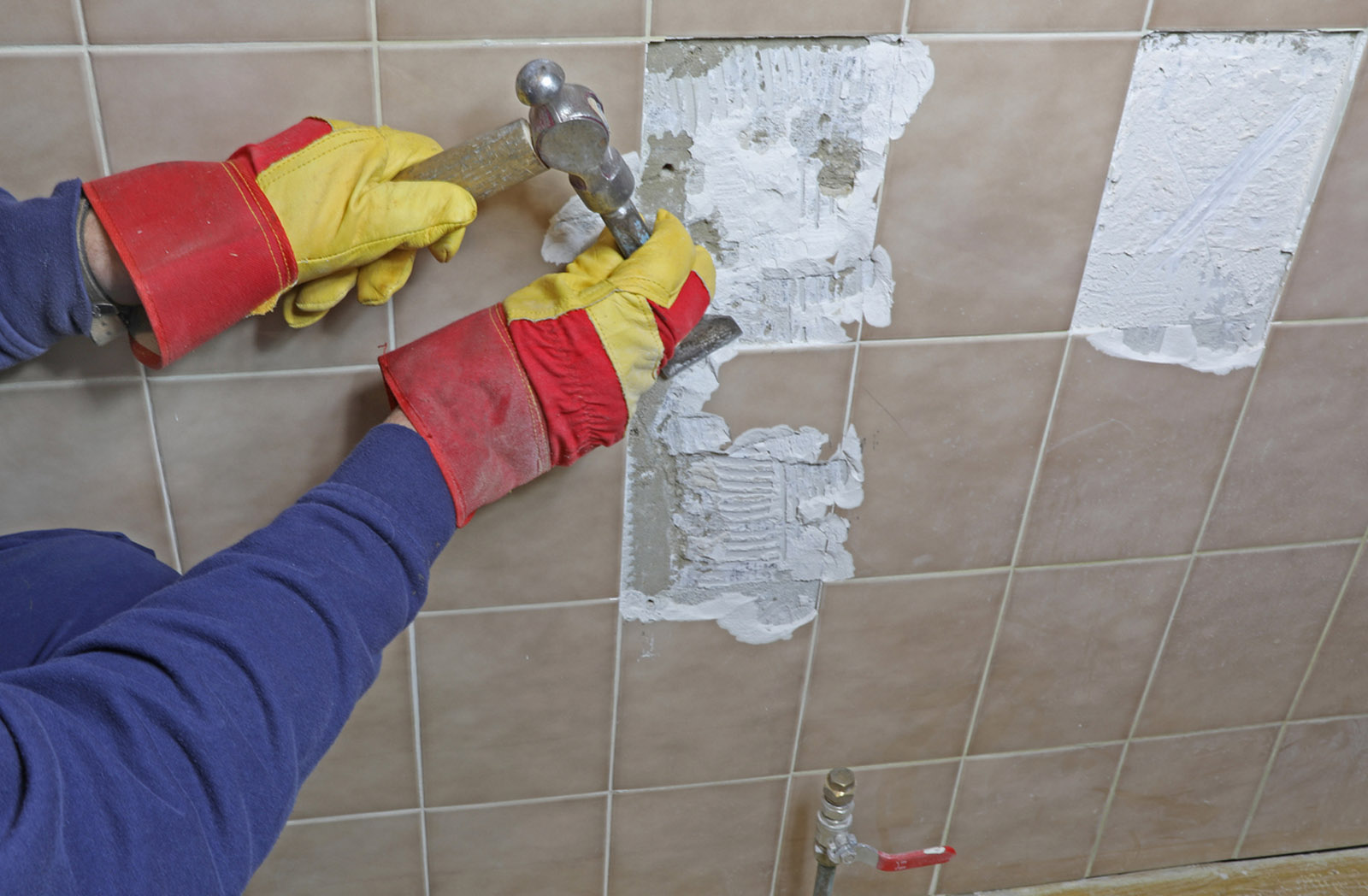
Tile replacement is different because it deals with the tile itself, not only the grout around it. It involves removing damaged tiles and installing replacement tiles where needed. This may be a small repair involving one or two tiles, or it may form part of a wider bathroom update.
Typically, tile replacement becomes the better option when tiles are cracked, loose, chipped, broken or damaged beyond what grout can fix. Regrouting can improve the joints between tiles, but it cannot repair a tile that has split, lifted or lost its bond to the wall or floor.
Signs That Indicate You Need Tile Replacement
- Cracked tiles are one of the clearest signs. A hairline crack may start as a visual issue, but larger cracks can allow moisture to reach areas that should stay protected. Cracked shower tiles, floor tiles and wall tiles should be inspected sooner rather than later.
- Loose tiles also need attention. If a tile moves when pressed, sounds hollow when tapped, or feels unstable underfoot, it may have lost adhesion. In that case, regrouting around it will not solve the underlying problem.
- Chipped tiles can be more than a cosmetic concern. Sharp edges can be uncomfortable and unsafe, especially in showers and bathrooms used by children or older family members. A broken tile replacement job may be enough when the surrounding tiles are still in good condition.
- You should also look at areas around soap dishes, shower niches, floor wastes and bath edges. These spots handle a lot of water and movement. If tiles in these areas are cracked or damaged, the repair may need more than fresh grout.
How to Decide Between Bathroom Regrouting and Tile Replacement
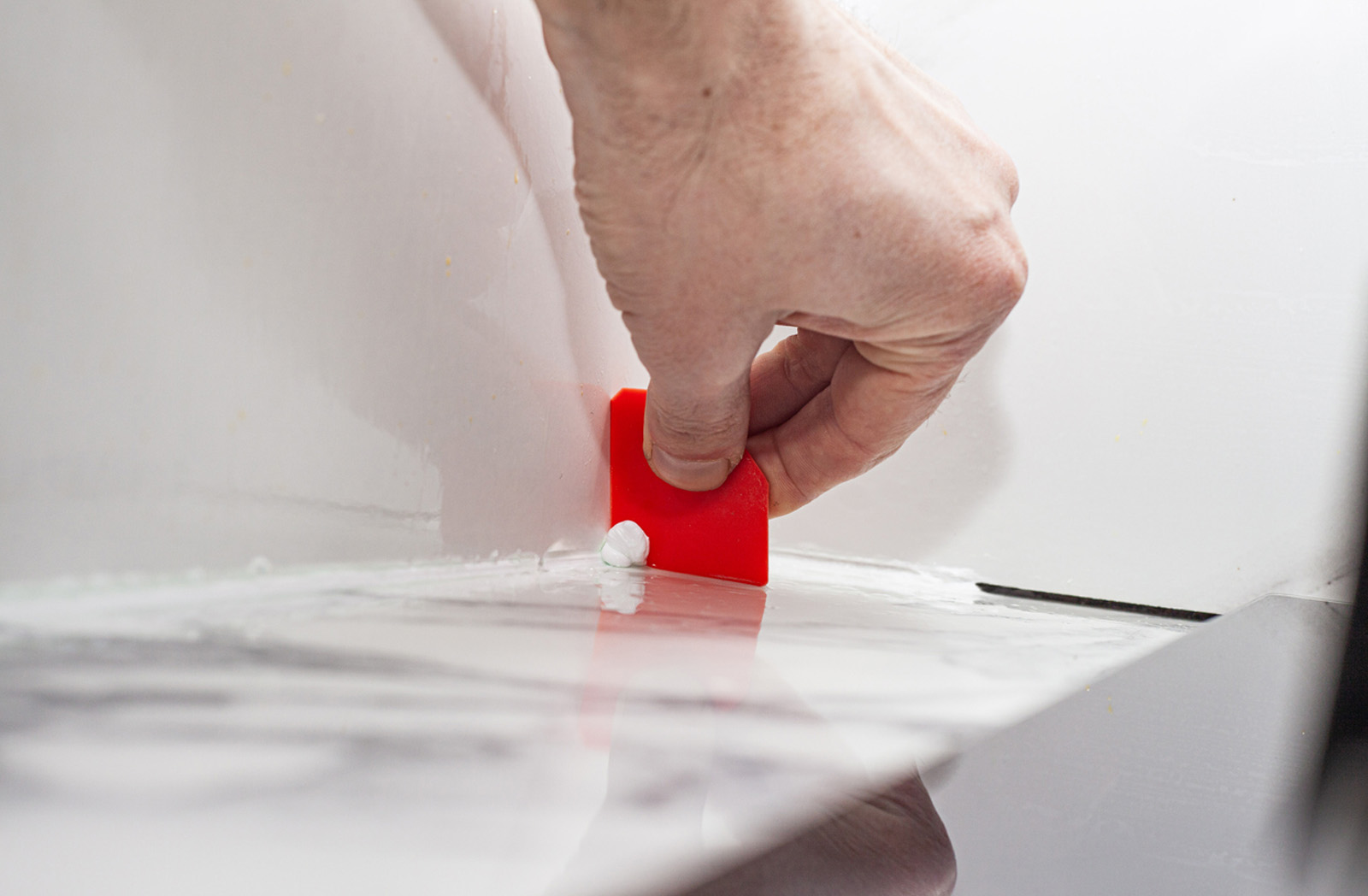
A useful way to think about the decision is to look at what has actually failed.
Choose regrouting when your tiles are still firmly in place, the surface is sound, and the main issue is stained, cracked, mouldy or missing grout. This is often the right path when you want to refresh an older bathroom without committing to new tiles, new waterproofing or a full renovation.
Consider tile replacement when the tiles themselves are damaged. Cracked, loose, chipped or broken tiles usually need to be repaired or replaced before the area can be finished properly. Regrouting over damaged tiles may make the surface look better for a short time, but it will not deal with the actual issue.
If you are unsure, it is better to have the bathroom inspected. A trained eye of a local tile regrouting expert can often tell whether the area needs a straightforward regrout, a tile replacement, silicone resealing, or a larger repair.
How Tile Regrouting Experts Can Help
At Tile Regrouting, we help NSW homeowners understand what their bathroom really needs before they spend money on the wrong fix. We assess the condition of your grout, tiles, silicone and visible wet area joins, then recommend a repair approach that suits the actual problem.
We can regrout showers and tiled surfaces, repair leaking shower areas, replace damaged tiles and help refresh bathrooms that look tired but still have good tiles. Our experts work across Sydney, including Penrith, the Northern Beaches, Sutherland and nearby areas, and we understand that every home, rental property and strata unit has different needs. Request a free quote today and let us help you bring your bathroom back to a cleaner, fresher and better-maintained condition.