02 9822 1872
 info@tileregrouting.com.au
People who care about interiors notice things others tend to walk past. They will pick up on an unusual paint finish, register the proportions of a window frame, and yes, quietly clock the tiles in your bathroom before you have even offered them a coffee. It is not just about what looks current. They are assessing whether the choice will age well, whether it suits the space, and whether it will actually hold up over time.
If you are planning a bathroom renovation or want to understand what is working in Australian homes right now, this post is a good place to start.
Today, we will walk through the three most popular and reliable bathroom tile types in Australia and explain why grout condition matters more than most people realise when it comes to keeping them looking their best.
Subway Tiles
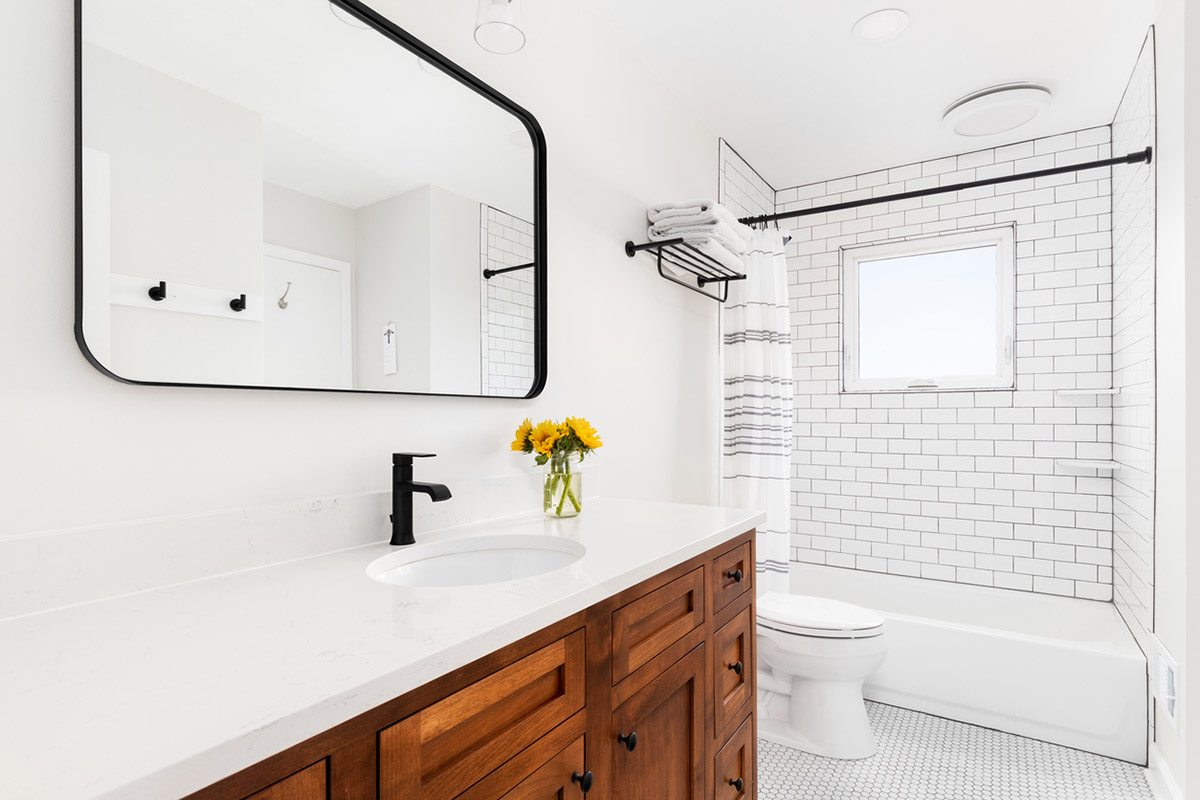
Subway tiles have been around since the early 1900s, and the reason they keep showing up in bathrooms across Sydney and beyond is simple – they work. They are one of those choices that feels both current and timeless depending on how you use them, which makes them genuinely low-risk for homeowners who want a result they will not regret in five years.
Why Subway Tiles Work in Almost Any Bathroom
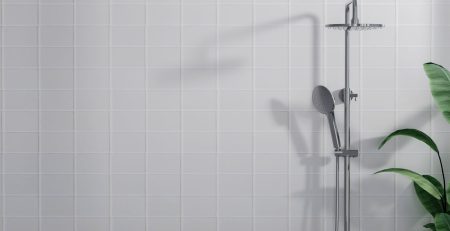
What makes the subway tile so adaptable is not just the shape but the number of ways it can be laid. A horizontal stack gives you a clean, traditional result. Vertical installation makes the ceiling feel taller. A herringbone layout adds texture to a feature wall without needing a more expensive material. They work across walls, shower recesses, and splashbacks, and they pair well with almost any vanity or fixture style at a wide range of price points.
The one thing to watch is that subway layouts depend on straight, consistent grout lines. Any variation in colour, width, or condition becomes visible quickly, so keeping the grout in good shape matters more with this tile type than most.
Marble-Look Tiles
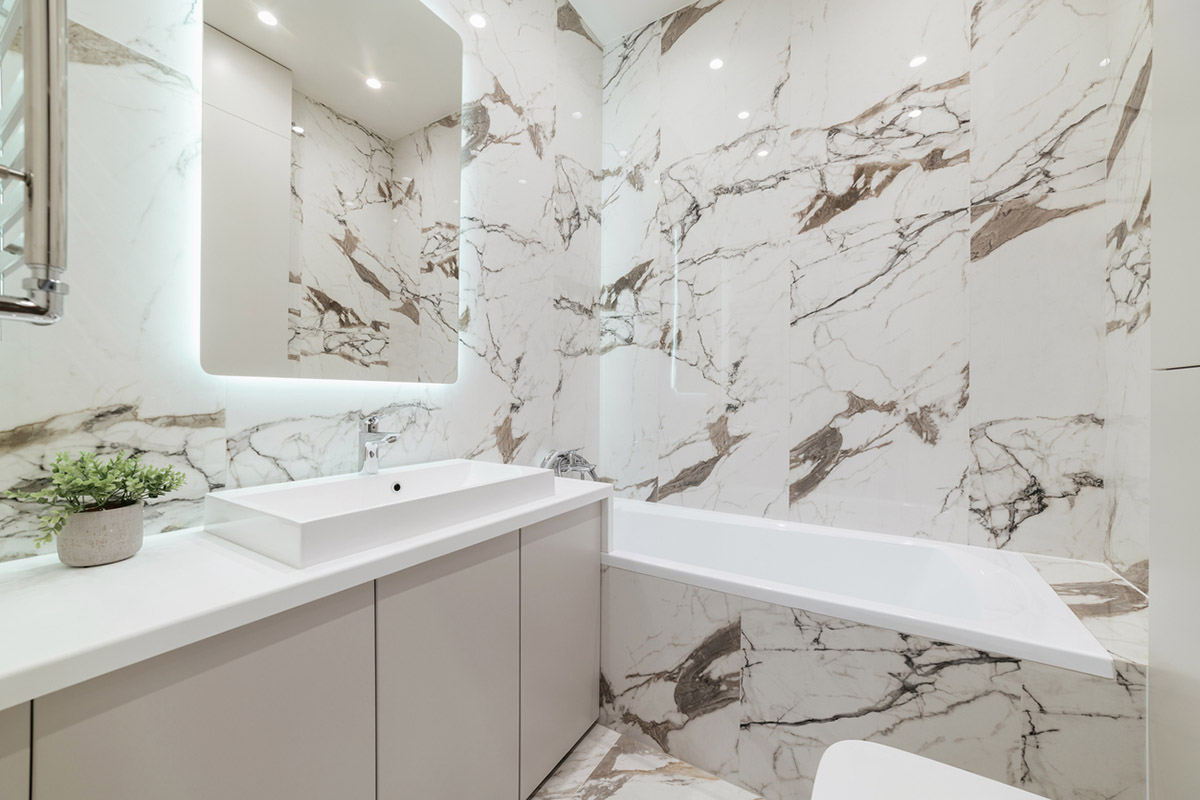
The appeal of marble in a bathroom is straightforward. The veining, the depth, the way it catches light – it makes a space feel refined. What has changed over the last decade is that you no longer need to use real stone to get a convincing version of that result.
Natural Stone vs Porcelain Imitation
Natural marble is still used in prestige renovations, and it has a warmth and variation that porcelain cannot fully replicate. The trade-off is cost, ongoing maintenance, and the need for regular sealing in a wet environment. Porcelain marble-look tiles have improved significantly in quality and now produce surfaces with realistic veining that hold up well under scrutiny. They are harder wearing, require no sealing, and are considerably easier to live with day to day.
Both have seen strong demand in Australian renovations, particularly as feature walls, behind freestanding baths, and in larger format floor applications. When the grout lines start to discolour or crack against that pale, stone-like surface, the contrast is immediately obvious. Regular grout repair is the simplest way to keep the finish looking as sharp as it did on day one.
Large Format Tiles
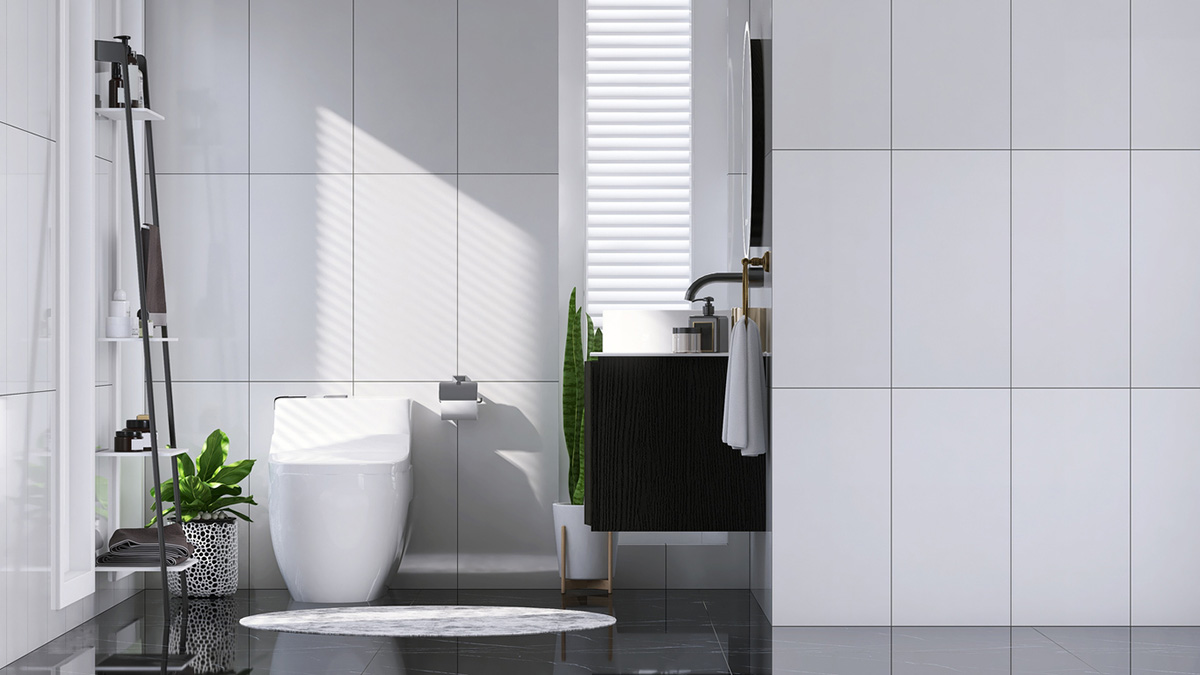
Tiles measuring 600mm x 600mm and larger have become increasingly common in new builds and mid-to-high-end renovations across Australia. The appeal is as much practical as it is visual.
The Case for Fewer Grout Lines
Fewer grout lines mean less surface area for mould to take hold, less time spent cleaning, and a seamless look that makes a bathroom feel larger and more open. On floors, large format tiles create a continuous plane that pairs well with underfloor heating. On walls, they lend a calm, architectural quality that suits contemporary design. They do require careful installation since any unevenness in the substrate shows more readily at scale, but when installed well, they are one of the most low-maintenance surfaces you can choose.
Why Tile Maintenance Matters More Than the Tile You Choose
You can spend a lot of time selecting the right tile and still end up with a bathroom that looks and performs poorly, because tiles are only as good as the grout around them.
Here are three reasons why that joint material deserves more attention than it usually gets.
Mould Does Not Stay on the Surface
When you notice dark patches forming along your grout lines, it is easy to treat it as a cleaning problem.
In most cases, it is more than that. Mould that has established itself in cracked or porous grout has already worked its way below the surface. Scrubbing the visible layer does not remove what has embedded deeper into the substrate. Left long enough, this creates persistent hygiene issues in a space your household uses every day, and no amount of surface-level cleaning will fully resolve it. Addressing the grout itself is the only way to properly clear it.
Cracked Grout is an Open Door for Water
Grout that has started to crack in a shower recess creates a direct pathway for water to move behind the tiles and into the wall structure underneath. In many cases, homeowners do not notice until the damage is already done – soft walls, lifting tiles, or in more serious situations, a leak that has worked its way through to an adjacent room. At that point, the repair is no longer about the grout. It involves the substrate, and sometimes the waterproofing membrane, which is a significantly more involved and expensive fix.
A Regrout Now Beats a Retile Later
Understanding the regrout shower cost is usually a turning point for homeowners who have been putting off dealing with deteriorating grout.
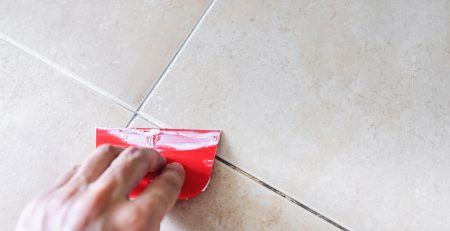
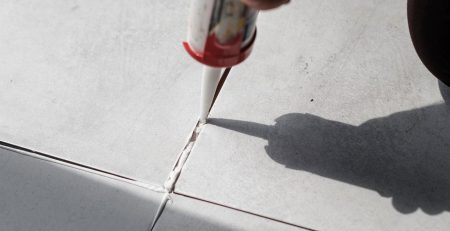
Regrouting removes the old, compromised material and replaces it with fresh grout, restoring both the appearance and the waterproofing function of the surface at a fraction of what a full retile would cost. Consulting a local regrouting professional early, before minor deterioration becomes structural damage, is consistently the more cost-effective path.
Choosing Tiles That Will Serve You Well
Subway tiles, marble-look tiles, and large format tiles are popular in Australia for reasons that hold up beyond any particular trend. Each offers visual flexibility, durability, and broad design compatibility. What all three share is a dependence on grout that is properly maintained.
The tiles can last decades, but the joints between them need attention over time. Keeping on top of that is the most practical thing you can do to protect the investment you have put into your bathroom.