 02 9822 1872
 info@tileregrouting.com.au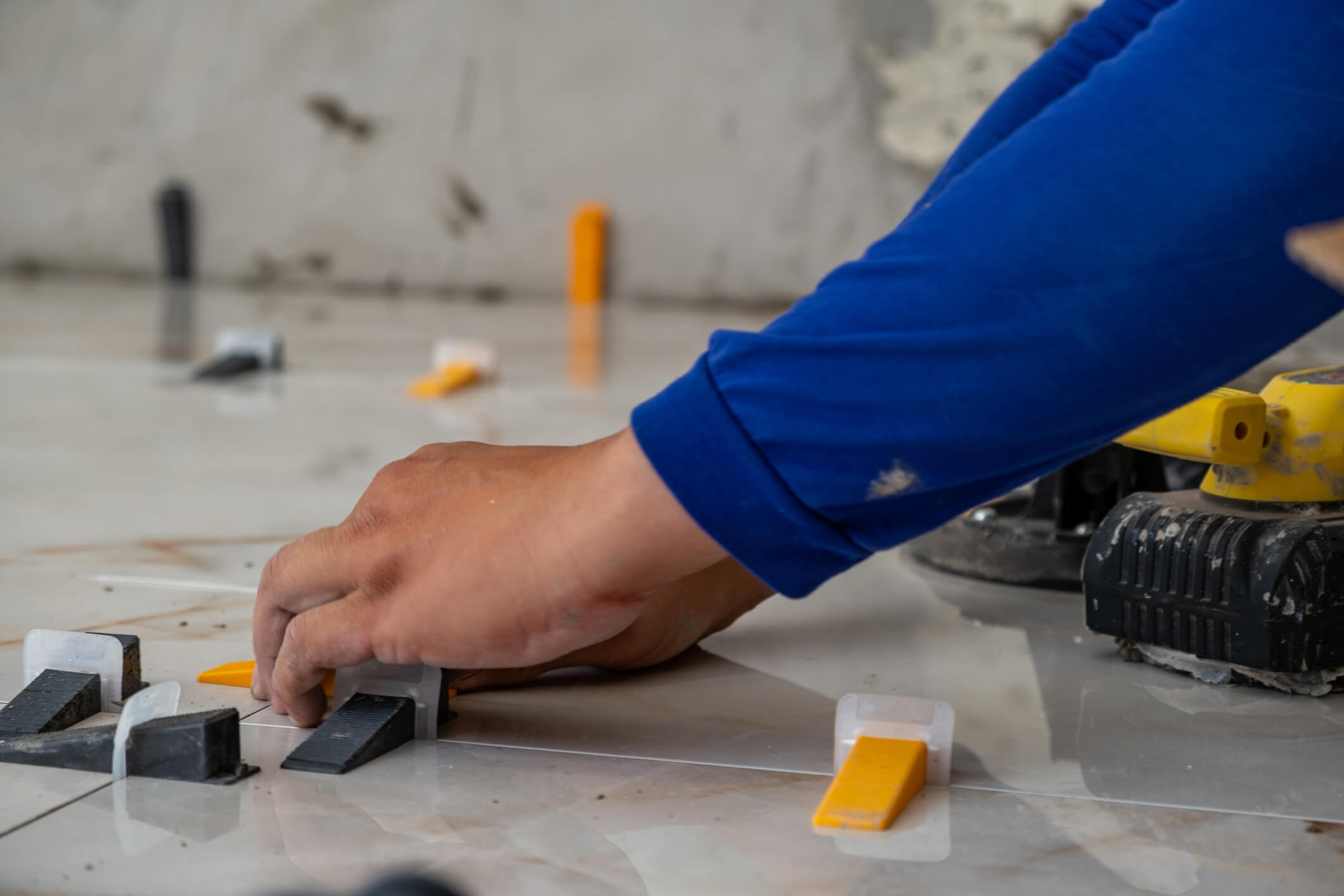
There is a certain satisfaction in rolling up your sleeves and fixing something yourself. A cracked tile here, some crumbling grout there – it looks straightforward enough. You watch a few videos, grab a grout float and some adhesive from the hardware store, and figure you can knock it out over the weekend.
But tiling is one of those trades that looks deceptively simple from the outside. The reality is that small errors in preparation, product selection, or technique can quietly snowball into expensive structural problems, water damage, and surfaces that need to be completely redone within a year or two. By then, what felt like a smart, cost-saving decision has doubled or tripled in cost.
In this post, we’ll walk through 5 of the most common DIY tiling mistakes we see, why they happen, and how getting a professional involved from the start saves you a serious headache and a lot of money.
Skipping Surface Preparation
The surface you tile onto matters just as much as the tiles themselves. If the substrate is dusty, damp, uneven, or still has old adhesive residue on it, your new tiles are working against themselves from day one.
What tends to happen is that homeowners do a basic wipe-down and consider it ready to go. But even a thin layer of grease, soap scum, or old sealant can prevent the adhesive from bonding correctly. Over time, this leads to tiles that sound hollow when you tap them, tiles that shift underfoot, or grout joints that crack open long before they should.
A proper tile repair job always starts with a thorough surface check – levelling out dips and bumps, removing any old adhesive completely, and making sure the substrate is dry and structurally sound. In wet areas like showers and bathrooms, this step is absolutely non-negotiable.
Using the Wrong Adhesive or Grout for the Job
Not all tile adhesives are created equal, and neither is grout. Using a general-purpose adhesive on a floor that sees heavy foot traffic, or applying standard grout in a shower recess that stays wet for hours each day, often leads to failure over time.
The size of your tile joints matters too. Sanded grout works for wider joints, while unsanded grout is suited to finer gaps – typically less than 3mm. Using the wrong type can result in cracking, uneven colour, and joints that start to crumble within months.
Professionals understand which products are appropriate for each surface and environment. They also know how mixing ratios and application temperatures affect how adhesives and grout cure, which makes a significant difference to the durability of the finished result.
Leaving Out Waterproofing in Wet Areas
This is arguably the most costly mistake of all. Many DIYers assume that tiles are waterproof by nature and skip the waterproofing membrane altogether. But tiles and grout are not completely impermeable – water finds its way through micro-cracks, pinholes in grout, and the joints between tiles and walls.
Without a proper waterproofing layer beneath the tiles, that moisture seeps into the wall or floor structure. It then causes mould growth, rot in timber framing, and in more serious cases, damage to the structural integrity of the building itself. Repairs for water-damaged walls and floors can run into thousands of dollars, far exceeding what the waterproofing would have cost in the first place.
In Australia, the National Construction Code requires wet area waterproofing in bathrooms and shower recesses. If your DIY tiling skips this, it can create compliance issues when you go to sell your property.
Forgetting Expansion Joints
Tiles expand and contract with changes in temperature and humidity. If they have nowhere to move, they will push against each other and eventually crack, lift, or pop off the surface entirely. Expansion joints (the small gaps filled with flexible sealant around the perimeter of a tiled area and at regular intervals on larger floors) are what allow for this natural movement.
This is one of those details that DIY guides often gloss over, and it is one of the most common reasons that tiled surfaces fail prematurely. It is especially relevant in Sydney, where the climate can swing between humid summers and cooler winters, putting regular thermal stress on tiled surfaces in kitchens, bathrooms, and outdoor areas.
Getting expansion joints right requires knowing where to place them, how wide to make them, and which sealant to use – all factors that vary depending on the tile type, size, and location.
Poor Layout Planning and Uneven Tile Placement
How you lay out your tiles before a single one is fixed to the wall or floor determines how the whole job looks when it is done. Starting from the wrong point in the room, not accounting for obstacles like pipes and fittings, or failing to keep grout lines straight and consistent – any of these can turn a tiling job from neat and professional into something noticeably off.
For patterned layouts such as herringbone or diagonal, the complexity increases significantly. Even a small misalignment early in the process compounds as you work across the surface, and by the time you notice it, you may need to remove a large section and start again.
Experienced tilers plan the layout carefully before any tiles are adhered, marking reference lines, dry-laying tiles to check the pattern, and making cuts with precision equipment. This planning stage is invisible in the finished result, but it is what separates a clean professional finish from a DIY job that looks rushed.
What Does Professional Help Actually Save You?
More than most people expect. It is easy to look at the cost of a bag of grout and a float versus a professional quote and assume DIY is the smarter move. But that comparison only holds if everything goes right.
Stripping out water-damaged walls or relaying an entire floor because the adhesive never bonded properly costs far more than hiring someone who knows what they are doing from the start. When you bring in an experienced team, here is what you get:
- The right products for your surface: Adhesives, grouts, and membranes chosen for your tile type and how the area is used, not just whatever is available at the hardware store.
- Work that meets Australian building standards: In wet areas, waterproofing is a code requirement. A professional job is compliant, which matters when you go to sell.
- An honest read on what actually needs doing: A professional can tell you what can be restored, what needs replacing, and give you a clear tile regrouting cost before any work begins.
That kind of clarity is hard to put a number on, but it saves a lot of stress down the track.
Let Tile Regrouting Team Handle It For You
At Tile Regrouting, we specialise in regrouting showers, stopping leaking showers, replacing damaged tiles, and restoring tiled surfaces across the Sydney metro area. Our team brings the right products, the right technique, and years of hands-on experience to every job, whether it is a single shower recess or a full bathroom refresh.
If your tiles are looking tired, your grout is cracking, or you have been putting off a repair because you are not sure where to start, get in touch with us today. We offer free quotes and honest advice – contact us today!
